
I used to have a drawer full of jewelry I never wore.
Not because I didn’t like it. I bought it because I liked it, in the moment, usually because it was inexpensive and in front of me. A 12braceletatafestival.A6 pair of earrings at a market. Stuff that seemed fine at the time and then lived at the bottom of a drawer.
Most of it broke within a year. The metal turned green. Clasps stopped working. Beads fell off cheap stringing cord.
At some point I noticed I was spending roughly the same amount of money on jewelry each year as I would if I’d bought one or two decent pieces. The difference was I had nothing to show for it.
This isn’t a personal finance lecture. That’s not really what changed my buying habits.
What actually changed was that I spent time in Thailand visiting Buddhist temples. I bought a hand-carved wooden pendant from a monk’s workshop — not a tourist shop, an actual workshop where the monks carved pieces during their meditation practice. It cost about $20. I’ve worn it for three years. It looks better now than it did when I bought it.
There’s something different about wearing an object that has a story you know, made by people who were paying attention when they made it. I can’t fully explain why that matters. It just does.
The practical case against cheap jewelry
Leaving aside the philosophical stuff: cheap jewelry is often made with materials that irritate skin. Nickel is the most common culprit — it’s cheap and durable, which is why it’s everywhere in fast-fashion jewelry. Nickel allergies are extremely common. Many people don’t realize that what they’re calling “sensitive skin” is actually a nickel contact allergy.
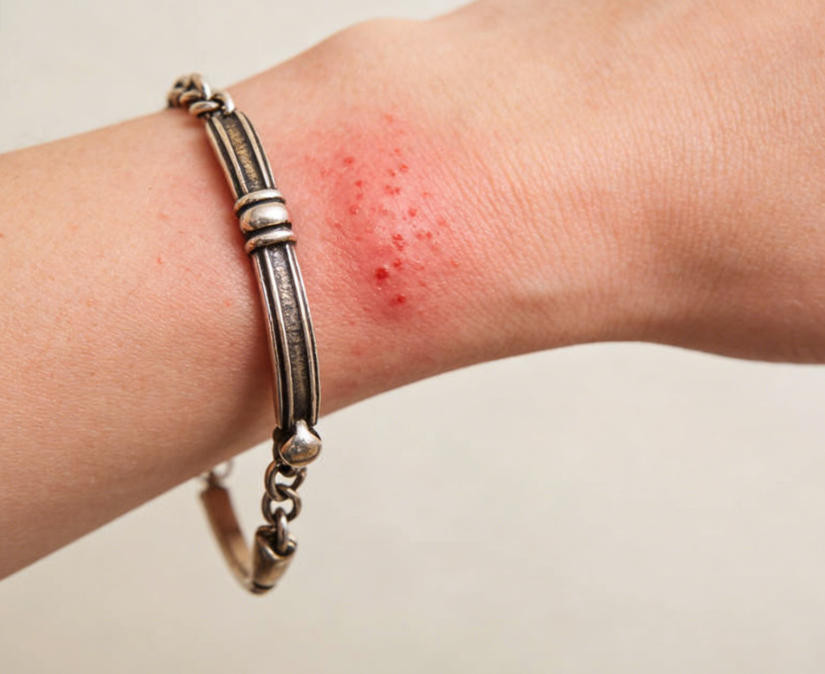
Natural materials — jade, genuine crystal, sandalwood, obsidian — don’t have this problem. Stone is stone. Wood is wood. If you’ve been having skin reactions to your jewelry, try switching to natural material bracelets for a week and see what happens.
What “quality” actually means in this context
I’m not talking about expensive. I’m talking about materials that were selected for a reason, and craftsmanship that shows the person who made it was paying attention.
A nephrite jade bracelet from a reputable source will cost more than a plastic bead bracelet and less than a diamond ring. It’ll also outlast both. Jade is harder than glass. It doesn’t tarnish. It doesn’t corrode. Properly cared for, a good jade piece can be worn for decades.
Same with sandalwood beads. The wood is fragrant when new, and the scent fades over time, but the beads themselves last for years if you keep them dry and out of extended direct sunlight.
The part that I think matters most
I wear a jade bracelet most days now. My husband asks me sometimes if I ever take it off. Mostly I don’t.
It’s not about the money I paid or the material properties of nephrite. It’s that I thought about it before I bought it, I know what it means to me, and I put it on every morning on purpose. That’s a completely different relationship with an object than the $12 festival bracelet that ended up in the drawer.
That intentionality — choosing things deliberately — tends to work out better than buying on impulse and hoping something sticks.